
Rectal Prolapse Treatment
Rectal prolapse occurs when part or all of the rectum slips down and may protrude through the anus. Patients can experience a visible bulge, mucus, bleeding, constipation or difficulty controlling stool. A careful assessment distinguishes prolapse from prolapsing hemorrhoids and identifies contributing bowel problems.
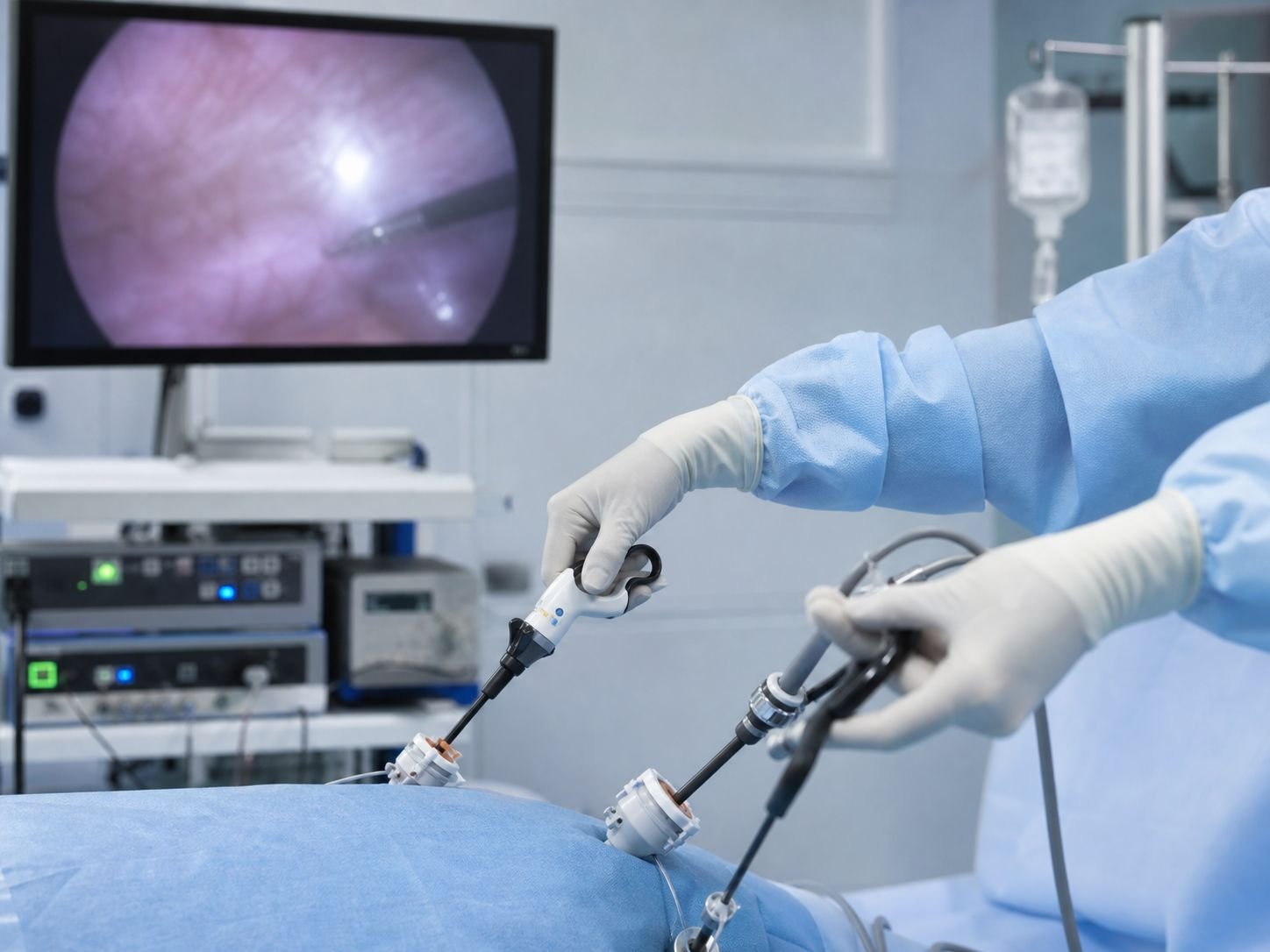
Treatment planning considers the degree of prolapse, age, fitness, continence and constipation. Bowel regulation may help symptoms, but complete prolapse often needs surgery. Abdominal or perineal approaches are selected individually after discussing durability, anaesthesia and recovery.
Care continues after treatment with pain relief, stool softening, diet, activity guidance and pelvic-floor advice where appropriate. Follow-up monitors wound healing, bowel function and recurrence. Sudden severe pain, heavy bleeding or inability to reduce a prolapse requires urgent medical attention.